Signed in as:
filler@godaddy.com

Coffee arrived in Honduras in the 18th century, but it wasn’t until the mid-20th century that smallholder farmers truly shaped its future. After decades of political upheaval and export crops like bananas dominating the economy, coffee emerged as a path to stability and independence. With support from producer organizations like IHCAFE, Honduras invested in quality, infrastructure, and education. Today, high-altitude farms, resilient farmers, and a focus on excellence have made Honduras one of the world’s most respected origins for both volume and exceptional cup quality.
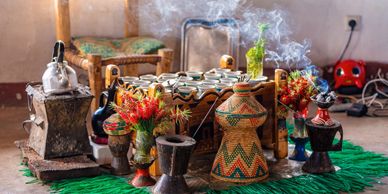
Ethiopia, coffee’s birthplace, is defined by dramatic highlands, diverse climates, and centuries of coffee culture. Grown mostly by smallholder farmers, Ethiopian coffees thrive at elevation, shaped by seasonal rains and unmatched genetic diversity. The result is an extraordinary range of profiles—from floral, washed Yirgacheffes to fruit-forward, naturally processed regional classics.

Brazil is the world’s largest coffee producer, known for scale, consistency, and innovation. Coffee arrived in 1727 and quickly shaped the nation’s economy, powering global demand through vast plantations and later immigrant-run farms. Today, regions like Minas Gerais, Cerrado, and Mogiana lead production, focusing on efficiency and volume. As global tastes evolve toward specialty and certified coffees, Brazil continues adapting, balancing tradition, technology, and the challenge of staying dominant in a changing market.
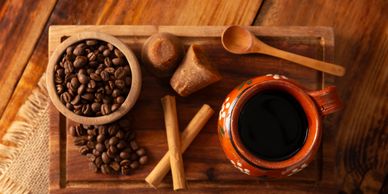
Guatemala’s coffee culture is rooted in volcanic soil, high-altitude farms, and deep tradition. Smallholder producers across regions like Antigua, Huehuetenango, and Atitlán grow coffees shaped by microclimates and craftsmanship. The result is balanced, expressive cups that reflect both the land and the people who tend it.
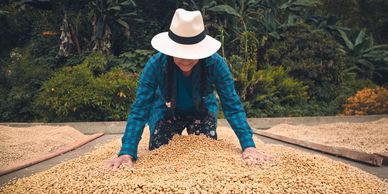
Colombia’s coffee culture is built on steep mountain farms, generations of small producers, and a national pride in quality. Grown along the Andes, Colombian beans benefit from rich soils, high elevations, and year-round harvesting. Known for balanced sweetness, bright acidity, and clean flavors, Colombian coffees reflect both meticulous care and a deep cultural connection to coffee as a daily ritual and livelihood.
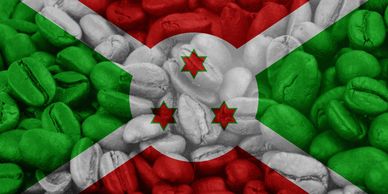
Burundi coffees are prized for their clarity, bright acidity, and refined sweetness. Grown by smallholder farmers at high elevations and carefully processed at community washing stations, these coffees highlight red fruit, citrus, and tea-like elegance. Focused almost entirely on Bourbon varieties, Burundi offers expressive yet balanced cups that reflect both place and precision.

Guatemalan coffees are known for balance and structure. Expect flavors of cocoa, baking spice, caramel, and citrus, often supported by bright yet controlled acidity and a medium to full body. High-altitude regions can add floral notes and layered complexity without sacrificing sweetness.
Guatemala’s coffee thrives in volcanic soils and steep mountain terrain. Farms benefit from high elevations, ample rainfall, and dramatic temperature swings between day and night. These conditions slow cherry development, increasing sugar concentration and contributing to depth and clarity in the cup.
Coffee is grown primarily by smallholder farmers and family-run estates, with hand harvesting still the norm. Washed processing dominates, emphasizing cleanliness and balance. Many farms use traditional methods alongside modern quality controls, drying coffee on patios or raised beds depending on climate and scale.
Coffee has played a central role in Guatemala since the 19th century, shaping rural economies and export identity. While land ownership and labor history are complex, coffee remains a generational craft for many producers. Regional pride is strong, with distinct identities tied closely to place.
Classic varieties like Bourbon and Typica remain prevalent, prized for sweetness and cup quality. Caturra and Catuai are common for their productivity, especially at elevation. Variety selection often reflects a balance between tradition, climate suitability, and long-term farm viability.
Guatemala is one of Central America’s most respected origins, widely recognized for consistency and regional distinction. Areas such as Antigua, Huehuetenango, Atitlán, and Cobán are internationally known, with coffees frequently featured as clean, expressive single origins.
Guatemala stands at the intersection of tradition and precision. Its coffees combine volcanic intensity with refined balance, offering depth without excess. Few origins deliver such consistent structure while still allowing regional personality to shine through.
At TerraBLOOM, Guatemalan coffees are selected for their versatility and clarity. They perform beautifully as single origins and anchor blends with sweetness, body, and gentle brightness, making them dependable yet never dull.
Guatemalan coffee rewards those who appreciate balance. Rooted in volcanic soil and careful cultivation, it offers structure, sweetness, and quiet complexity. Rather than chasing extremes, Guatemala delivers harmony, cups that feel complete, grounded, and deeply connected to place.

Burundian coffees are known for brightness and elegance. Expect vibrant red fruit, citrus, and stone fruit notes supported by lively acidity and a silky, tea-like body. Washed lots often show clarity and precision, while natural coffees add depth and sweetness without overpowering the cup.
Burundi’s coffee grows in high-elevation regions near Lake Tanganyika, where rolling hills and volcanic soils create ideal conditions. Consistent rainfall and mild temperatures allow for slow cherry development, encouraging complexity and balance. Many farms are intercropped with food crops, supporting soil health and household sustainability.
Coffee production in Burundi is almost entirely driven by smallholder farmers who deliver cherries to centralized washing stations. Careful hand-picking and strict quality controls at these stations are critical to cup quality. Coffees are typically fermented, washed, and dried on raised beds to preserve clarity and brightness.
Coffee was introduced to Burundi during the colonial period and later became one of the country’s primary export crops. Despite political instability and economic challenges, coffee remains a cornerstone of rural livelihoods. Community washing stations have become central gathering points and engines of quality improvement.
Nearly all Burundian coffee is Bourbon, a variety well suited to the country’s elevation and climate. This genetic focus contributes to consistent sweetness and structure, while terroir and processing differences drive variation between regions and washing stations.
Burundi has earned a growing reputation within specialty coffee for its clean, high-acidity profiles and refined sweetness. Coffees from Burundi frequently perform well in quality competitions and are increasingly sought after by roasters looking for expressive yet balanced African offerings.
Burundi stands out for its purity. With a single dominant variety and centralized processing, differences in cup character are driven almost entirely by place and practice. The result is coffee that feels precise, intentional, and deeply reflective of its origin.
At TerraBLOOM, Burundian coffees are highlighted as expressive single origins. We roast to emphasize brightness, structure, and fruit clarity, allowing the nuance of each washing station and harvest to speak for itself.
Burundi coffee is defined by focus and finesse. Built on high elevation, careful processing, and a singular varietal foundation, it offers clarity and brightness without excess. Each cup is a study in precision, quietly complex, deeply rooted, and rewarding to those who slow down and taste.
Colombian coffees are celebrated for balance and clarity. Typical profiles include caramel sweetness, red apple or citrus acidity, stone fruit, and soft chocolate notes. Acidity is bright but approachable, body is medium and rounded, and the finish is clean—making Colombia one of the most versatile origins across brew methods.
Coffee in Colombia grows along the Andes mountain range, where steep slopes, volcanic soils, and diverse microclimates create ideal conditions. Consistent rainfall and moderate temperatures allow for multiple flowering and harvest cycles each year, contributing to fresh coffee availability and regional variation.
Colombian coffee is largely produced by smallholder farmers who hand-pick ripe cherries throughout staggered harvests. Washed processing dominates, emphasizing cleanliness and sweetness. Many producers use traditional fermentation and patio or raised-bed drying, while steadily adopting quality-focused innovations at the farm level.
Coffee became central to Colombia’s economy in the late 19th century and has remained a defining national symbol ever since. Institutions like the National Federation of Coffee Growers helped organize producers, improve quality, and promote Colombian coffee globally. Coffee is deeply embedded in daily life, rural identity, and cultural pride.
Colombia grows both traditional and modern varieties. Bourbon and Typica contribute classic sweetness and balance, while Castillo and Colombia varieties were developed for disease resistance and productivity. This blend of genetics allows producers to balance cup quality with long-term farm resilience.
Colombia is one of the most recognized coffee origins in the world. Its reputation for consistency, quality, and traceability has made it a staple of specialty and commercial coffee alike. Regional names such as Huila, Nariño, Tolima, and Antioquia increasingly highlight Colombia’s internal diversity.
Colombia’s strength lies in its balance, between tradition and innovation, sweetness and acidity, reliability and expression. Few origins can deliver such consistent quality while still offering meaningful regional distinction and seasonal freshness.
At TerraBloom, Colombian coffees are selected for their clarity and versatility. They shine as approachable single origins and serve as reliable anchors in blends, offering sweetness, structure, and everyday drinkability without sacrificing character.
Colombian coffee earns its reputation through consistency and care. Shaped by small farms, mountain terrain, and meticulous processing, it delivers balance without monotony. Each cup reflects a system refined over generations, reliable, expressive, and endlessly adaptable to how people actually drink coffee
Brazilian coffees are known for their comfort and consistency. Common flavors include chocolate, cocoa, toasted nuts, caramel, and soft fruit. Acidity is generally low to medium, body is medium to full, and sweetness is round and approachable—making Brazil a backbone origin for espresso and blends.
Brazil’s coffee regions feature rolling hills, wide plateaus, and relatively stable climates rather than extreme elevation. Consistent rainfall patterns and defined dry seasons support reliable harvests. Unlike many origins, Brazil’s geography allows for mechanization in some regions, contributing to scale and uniformity.
Brazil produces coffee at every scale, from family farms to highly mechanized estates. Natural processing dominates, with cherries dried whole on patios or mechanical dryers, emphasizing sweetness and body. Pulped natural methods are widely used to balance clarity with richness. Brazil continues to invest heavily in efficiency and production technology.
Coffee arrived in Brazil in 1727 and quickly became central to the nation’s economy and identity. By the mid-19th century, Brazil was the world’s largest producer, a position it still holds today. Coffee shaped migration, labor systems, and politics, deeply embedding it into Brazilian culture and daily life.
Brazil grows a wide range of varieties selected for productivity, cup stability, and disease resistance. Bourbon and Mundo Novo contribute sweetness and body, while newer cultivars like Obatã and Catuai support large-scale, resilient production. Variety selection often prioritizes consistency over extreme cup expression.
Brazil is the most widely consumed origin in the world and a cornerstone of global coffee supply. While historically valued for volume, Brazil has gained recognition for high-quality microlots, particularly from regions like Minas Gerais, Cerrado, and Mogiana. It remains essential to both specialty and commercial coffee markets.
Brazil’s strength lies in reliability. Its ability to deliver consistent flavor at scale, year after year, sets it apart from other origins. While not defined by sharp acidity or wild aromatics, Brazilian coffee excels in sweetness, body, and versatility across roast styles and brew methods.
At TerraBLOOM, Brazilian coffees form the foundation of balanced blends and approachable single origins. We value Brazil for its sweetness, structure, and ability to anchor more expressive coffees while still shining on its own when thoughtfully roasted.
Brazilian coffee is about dependability without compromise. It offers warmth, sweetness, and balance, qualities that reward consistency and care rather than extremes. From everyday cups to refined blends, Brazil remains essential not because it demands attention, but because it earns trust.

Ethiopian coffees are known for their expressive aromatics and layered flavors. Washed lots often show floral notes, citrus, and tea-like clarity, while natural coffees lean toward ripe fruit, berries, and wine-like sweetness. Acidity is typically bright yet refined, with a light to medium body.
Coffee grows across Ethiopia’s highland plateaus, forested slopes, and fertile valleys. Elevation plays a defining role, moderating temperatures and slowing cherry development. Seasonal rainfall supports distinct flowering and harvest cycles, while diverse microclimates create dramatic variation even between neighboring regions.
Roughly 85% of Ethiopia’s coffee is produced by smallholder farmers using traditional methods. Coffee is hand-picked and processed either at local washing stations (washed coffees) or dried whole on patios and raised beds (natural coffees). Many farms use organic practices by default, though certification is rare due to cost and infrastructure barriers.
Ethiopia is widely recognized as coffee’s birthplace, with consumption and cultivation dating back over a thousand years. Coffee is central to daily life and social ritual, most famously expressed through the traditional coffee ceremony. Long before export markets, coffee was valued locally as food, drink, and cultural connector.
Ethiopia contains the vast majority of the world’s coffee genetic diversity. Wild and semi-wild landrace varieties dominate, alongside cultivars developed through the Jimma Agricultural Research Center (JARC). This diversity supports exceptional flavor complexity while increasing resilience against disease and climate pressure.
Ethiopia is one of the most sought-after specialty origins in the world. Regions like Yirgacheffe, Sidama, Guji, Limu, and Harrar are globally recognized, though flavor distinctions often extend well beyond regional labels. Ethiopian coffees frequently score highly in competitions and remain foundational to specialty menus.
No other origin offers Ethiopia’s combination of history, biodiversity, and flavor range. Coffees can be delicate or bold, clean or wildly fruity, yet still unmistakably Ethiopian. Each cup represents a living lineage of coffee, shaped by land, tradition, and time rather than industrial uniformity.
At TerraBloom coffee roasters, Ethiopian coffees are celebrated as expressive single origins. We select lots that highlight clarity, aroma, and origin character, roasting with restraint to preserve the nuanced profiles that make Ethiopia truly singular.
Ethiopian coffee invites curiosity. Rather than offering a single signature, it presents a spectrum shaped by elevation, tradition, and unmatched genetic diversity. Each cup is an expression of place and process, best enjoyed slowly, with attention to the detail and heritage that define coffee at its source.

Join the Terra Bloom Founders Club and be part of our early journey. Get first access to new coffees, special pricing, and a front-row seat as we grow—one small-batch roast at a time.